The pedagogical beliefs that sit at the heart of everything we do — not as methods, but as ways of being in the classroom and beyond.
Core Practice 01
Social Emotional Learning
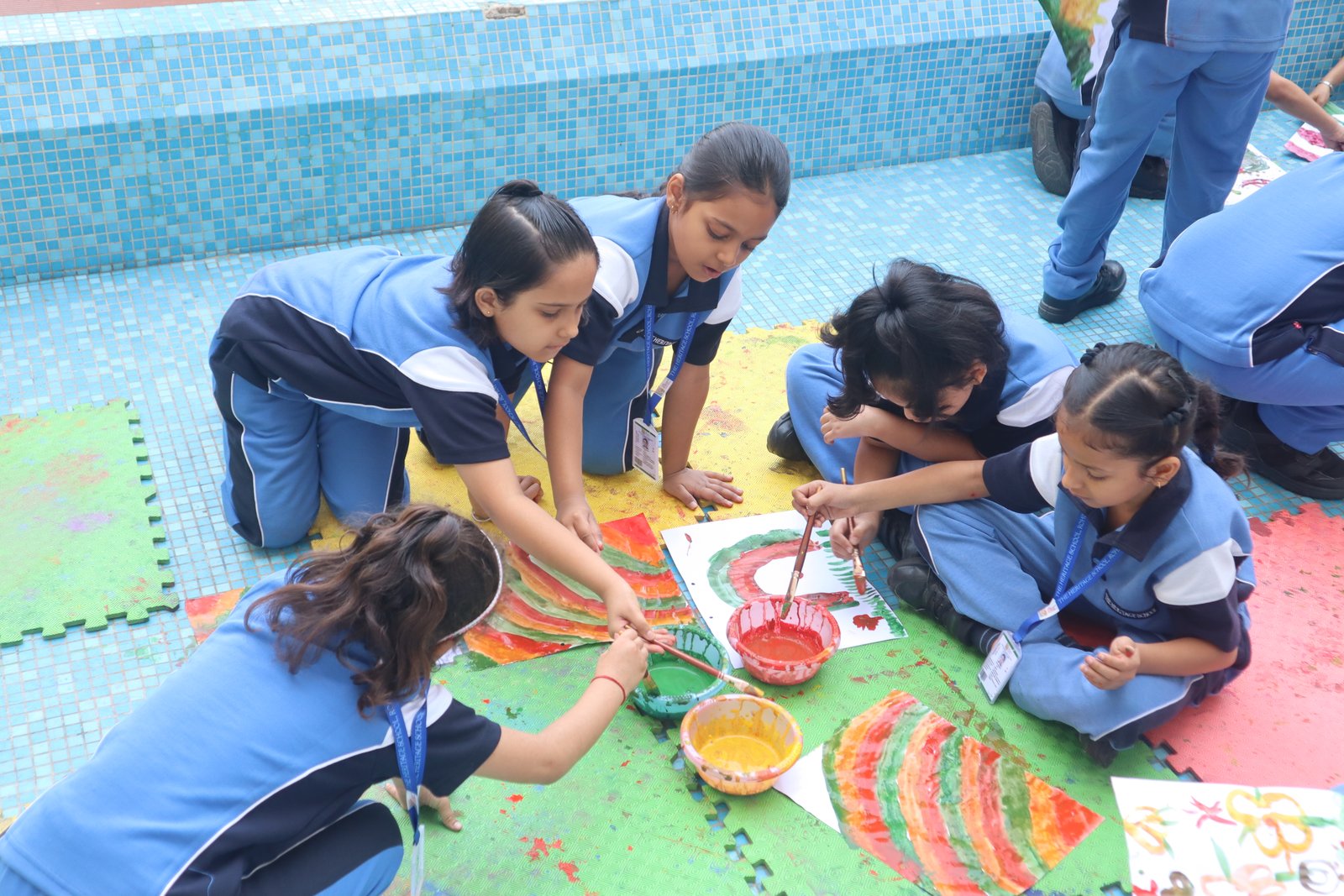
At The Heritage School, nurturing emotional intelligence is just as important as academic growth. SEL is integral to our philosophy, helping students develop self-awareness, empathy, communication and emotional regulation.
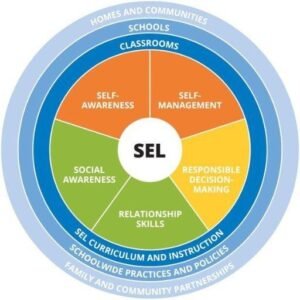
- Quality Circle Time (QCT) activities
- Classroom discussions & role-playing
- Mindfulness exercises
- Conflict resolution strategies
Life Skills Workshops
Grade VIII
Emotional intelligence and social awareness — understanding themselves and others more deeply.
Grades IX – X
Immersive residential camps pushing students beyond their comfort zones.
Grades XI – XII
Practical strategies for purposeful living — bridging aspiration and reality.
Silence Time
"Silence is essential. We need silence just as much as we need air, just as much as plants need light."
— Thích Nhất Hạnh
At Heritage we celebrate silence everyday — an introspective dialogue with oneself. As the day closes, students gather themselves inward, grounding their experiences and carrying with them a sense of peace and clarity.
Core Practice 02
Quality Circle Time
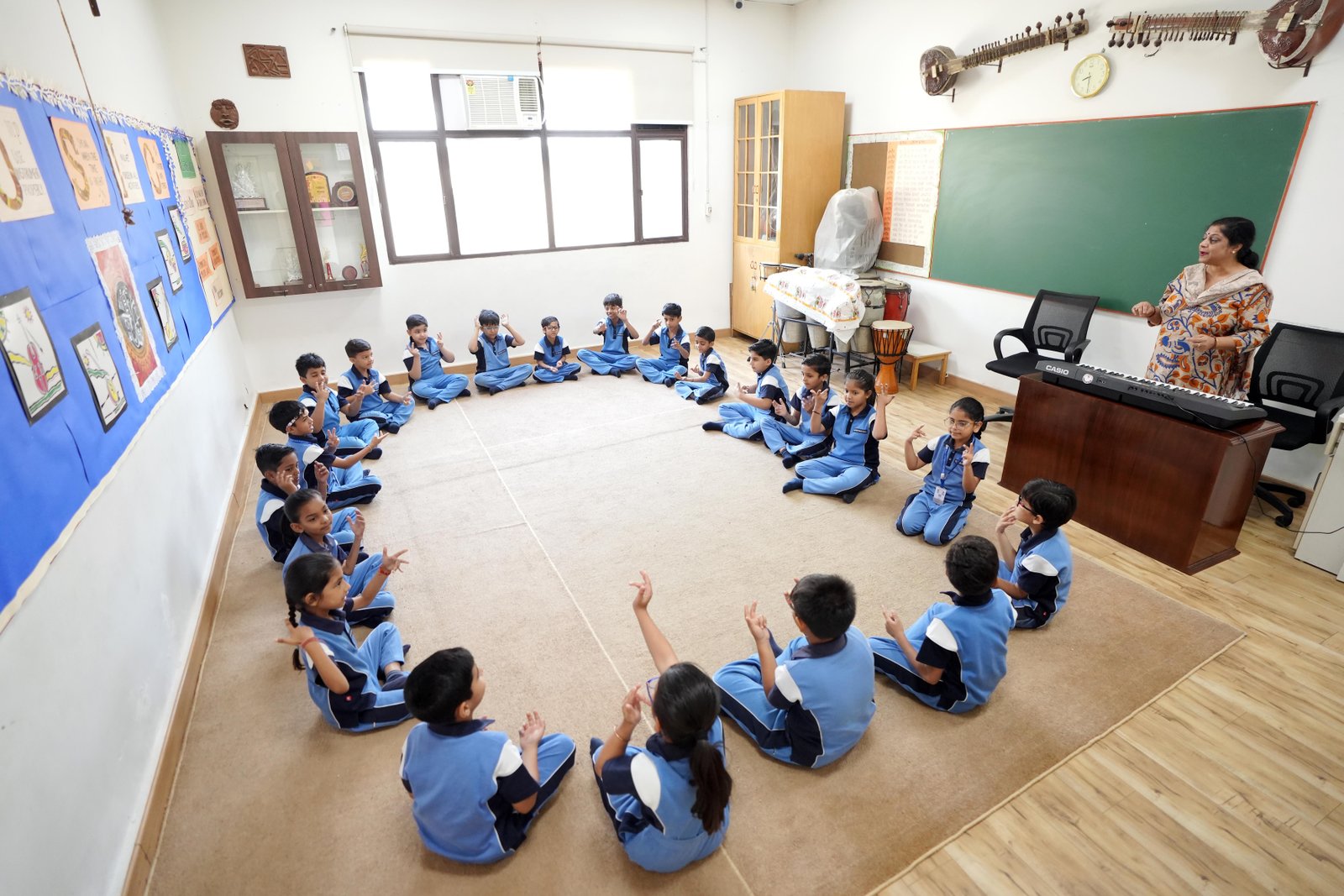
QCT is a sacred space — a time for introspection, articulation and connection. Each morning, children and teachers gather in a circle, a simple yet profound act of unity.
Through breathing exercises, relaxation techniques and positive visual imagery, children centre themselves. The philosophy of Jenny Mosley's Quality Circle Time model weaves into this practice, recognising that education must nurture both emotional intelligence and social competence.
Junior School
The morning circle teaches that growth is a shared journey. Children see classmates as co-travellers and learn that learning stretches far beyond books.
Middle & Senior School
Every teaching cycle has dedicated QCT time for value-based discussions, SEL activities and classroom dialogue that develops metacognition and resilience.
Core Practice 03
Experiential Learning Pedagogy
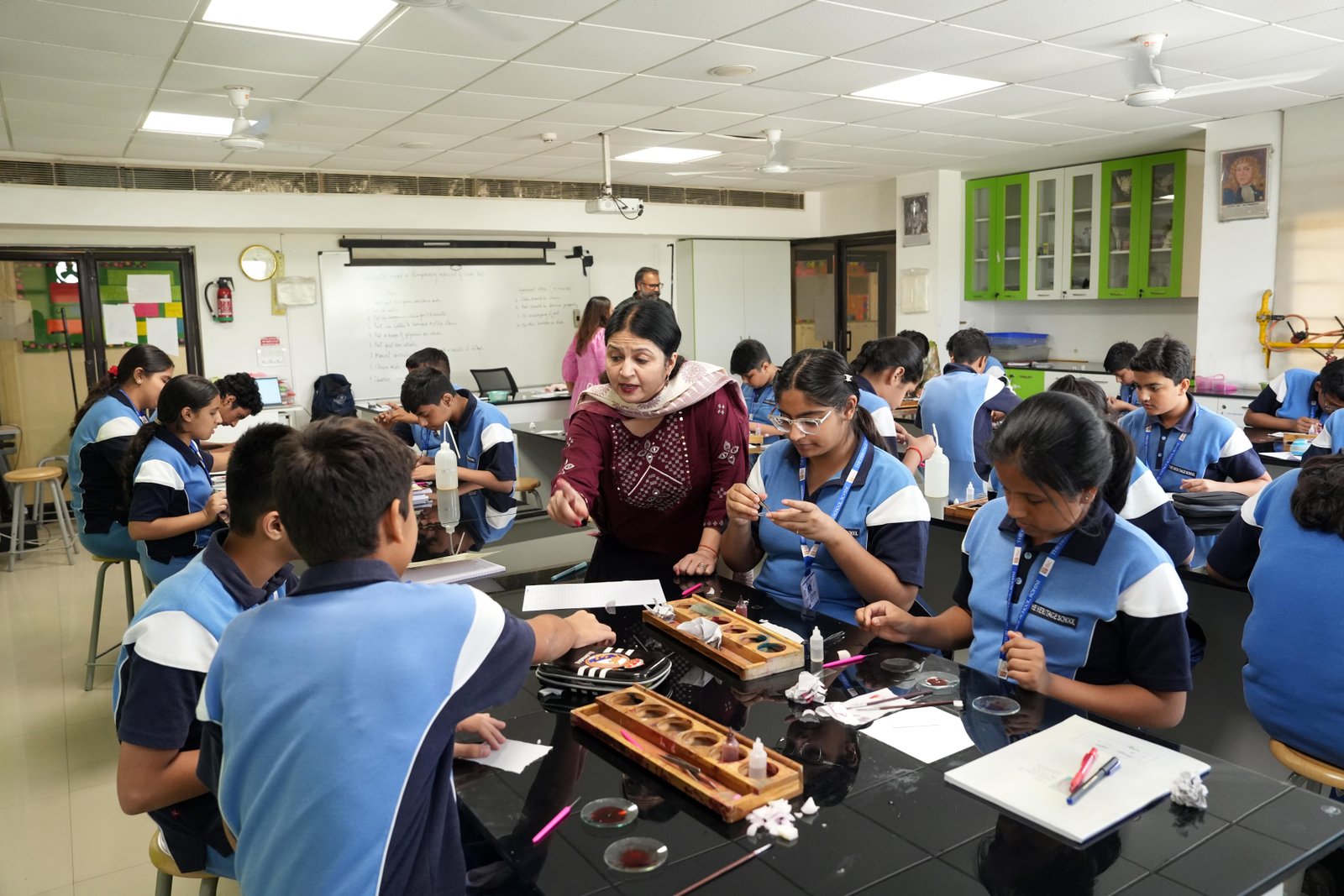
Inspired by Gandhi's Nai Talim, J. Krishnamurti, John Dewey and Sri Aurobindo, we believe children learn best by doing and experiencing — not through passive reception.
Integrated Projects
Collaborative Problem Solving
Real-Life Applications
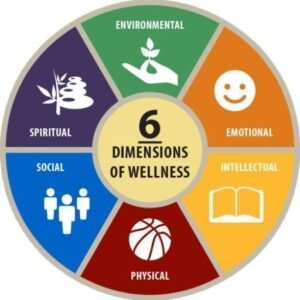
6 Dimensions of Wellness
Pedagogical Tools and Levers
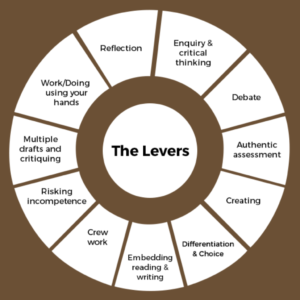
The child is at the centre of all we do. Our pedagogical tools provide the behaviours, actions, measures and structures to translate intention into action.
Core Practice 04
Evolving Curriculum

Education at Heritage is a dynamic process of evolution — drawing from best practices in India and across the world, integrating research-based methodologies that honour both cognitive development and human attributes.
Literacy as Foundation
Language is the foundation of thought, inquiry and self-expression. Reading is about constructing meaning; writing is about shaping ideas and articulating understanding — woven into all learning experiences.
Mathematics as Thinking
The Realistic Mathematics approach connects concepts to lived experiences through stories, manipulatives and collaborative discussions. Parents are integral through extensive workshops that align home and school philosophy.
Core Practice 05
Assessment as Learning
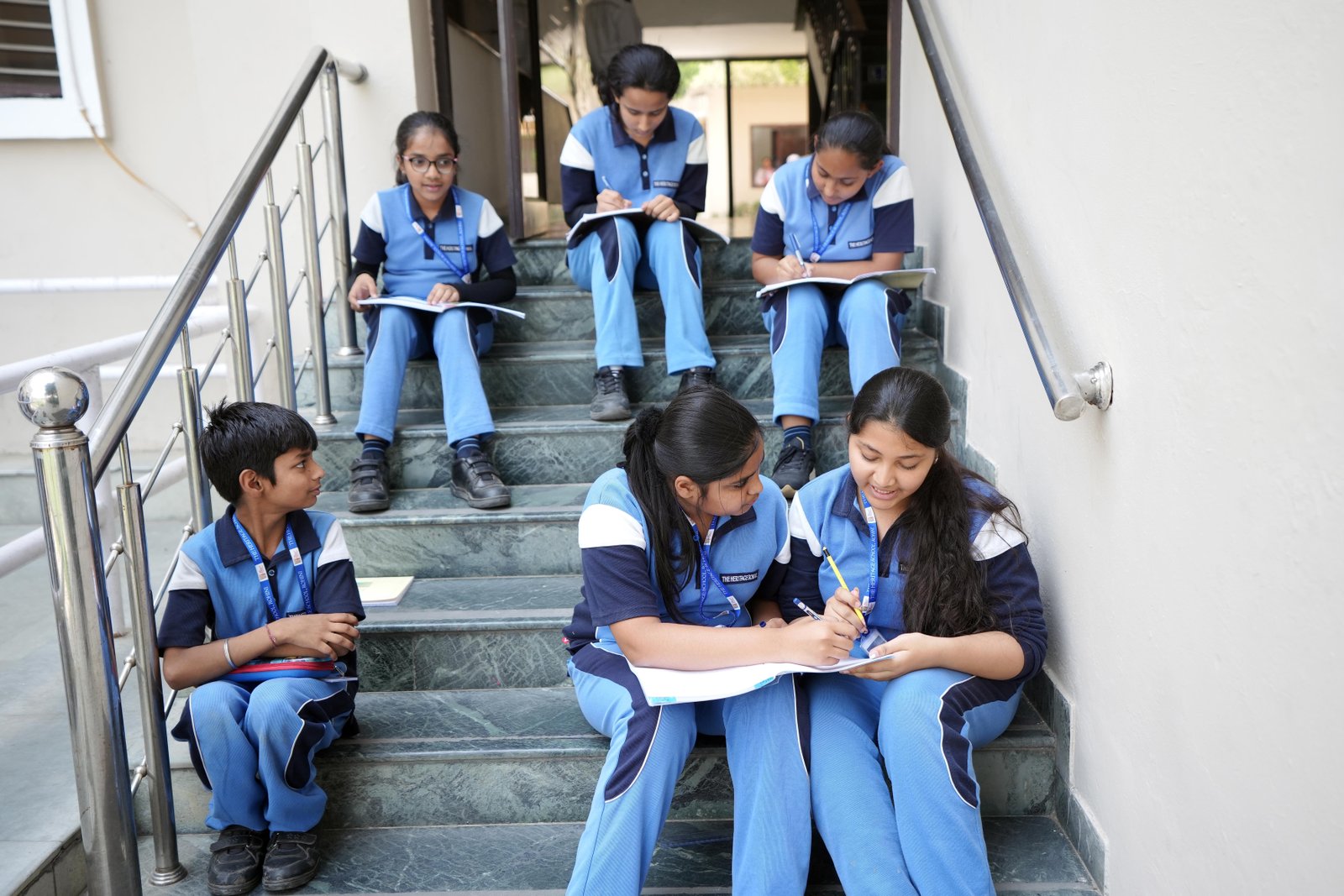
Assessment at Heritage is neither external measurement nor mere instrument — it is a collaborative process undertaken with students, fostering autonomy and self-directed success.
Grounded in module-specific learning outcomes, children actively co-create criteria for self-assessment. Data generated enables students to critically reflect on progress and make informed decisions about next steps.
The school also integrates rigorous skill-based assessments by organisations such as Jodo Gyan and ASSET across Junior and Middle School years as critical external benchmarks.
Student-Led Family Conferences
"The only learning which significantly influences behaviour is self-discovered, self-appropriated learning."
— Carl Rogers
Middle school students take charge by assessing their strengths and aspirations, presenting their Growth Portfolios to parents and teachers — shifting the focus from Performance to Purpose.
Core Practice 06
Inclusive Education

Inclusion at Heritage is more than a practice — it is a mindset. Rooted in our commitment to ensure every individual feels valued, respected and empowered, we embrace inclusion as a Dharmic Principle.
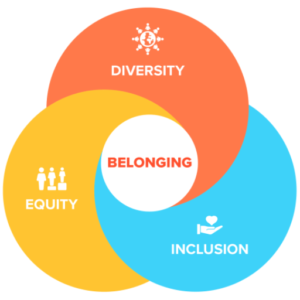
"We believe that inclusion begins with the heart — creating a culture where diversity is celebrated, differences are embraced, and every voice is heard."
Inclusion transforms challenges into opportunities, differences into strengths, and individuals into a unified community of learners. Together, we build a more equitable future where every child can thrive and contribute.
Student Support & Counselling
Our Counsellors and Special Educators offer personalised guidance — a safe, open space where students explore their passions, overcome challenges and develop essential life skills with confidence and belonging.
Core Practice 07
Student Leadership

Shared growth is embedded in our school culture through collective experiences where learners plan, organise and lead events and initiatives — developing perseverance and persistent effort.
Ownership & Responsibility
Learning the impact of their decisions.
Critical Thinking
Navigating challenges with creativity.
Collaboration
Engaging diverse teams to bring vision to life.
Confidence & Resilience
Leading with conviction and grace.
Leadership begins in the classroom through co-created rules and norms of collaboration, then expands to student committees, clubs, and governance — where every voice shapes school policies and culture.
Core Practice 08
Community Outreach

The hidden, yet pervasive influence of the environment impacts every fibre of the children's mind and character. We consciously extend that environment.
The Student Citizenship Program
Junior School
Children nurture plants, witness growth and partake in giving back — internalising patience, responsibility and gratitude.
Middle School
Passion Projects merge sustainability and innovation — waste reduction, urban gardening and eco-friendly solutions that show every action carries potential for change.
Senior School
CARE Projects move students from awareness to impact — community libraries, disaster relief, climate action and economic empowerment woven into the curriculum.
Core Practice 09
Professional Learning Community

Teaching at Heritage is a continuous process of introspection, refinement and reinvention — not merely the transmission of knowledge.
Our educators go beyond the conventional rhythms of school life. Resource development, reflection on classroom dynamics, curriculum refinement, and ongoing feedback through classroom observations and micro-teaching form the foundation of our culture.
Workshops & Professional Development
Happy, self-aware teachers nurture fulfilled learners. We curate diverse workshops spanning emotional intelligence, pedagogical innovation, special education, child psychology and spiritual development.
Field visits to progressive institutions allow educators to immerse in best practices. Increasingly, Heritage teachers lead in-house workshops for peers — reinforcing understanding through preparation and facilitation.